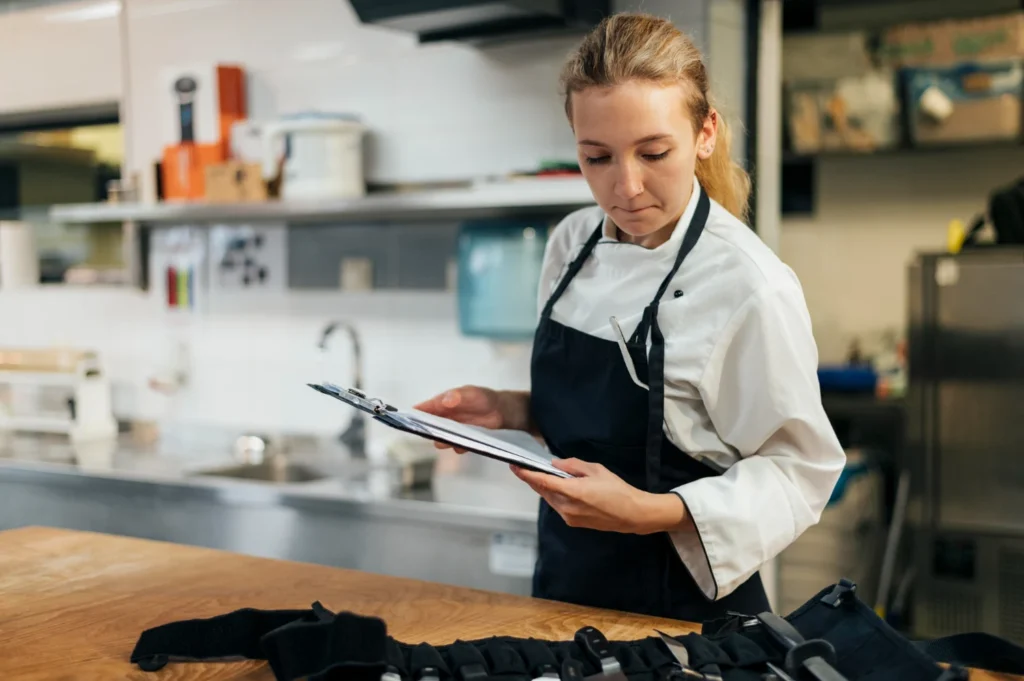
Restaurant management

Restaurant management involves juggling a dozen tasks at once without dropping a single plate. You are the conductor of an orchestra that plays loud music every single night.

Great managers know how to listen to their team. Problems in the kitchen often start small and grow big if you ignore them.

Leadership Skills

Your staff looks to you for cues on how to behave during a rush. If you panic, they panic. Respect is earned by working harder than anyone else in the room. Wash dishes when the steward is overwhelmed or bus tables when servers are stuck. Clear communication stops mistakes before they reach the table. Tell people exactly what you need in simple terms.


Active Listening

Hear them

Conflict Resolution

Solve fast

Time Management

Prioritize now

Empathy

Show care

Financial Tracking

You cannot improve what you do not measure. Track your food waste every night to see where money goes in the trash bin.

Labor costs kill profit margins faster than anything else. Schedule your best people during the busiest hours to maximize efficiency.

Guest Experience

A manager must touch every table during service. Ask guests how they enjoy the meal while looking them in the eye.

Handle complaints with grace and immediate action. A fixed mistake often creates a more loyal customer than a perfect meal.

Train servers to sell the experience, not just the food. They are the face of your brand and influence the vibe.

Restaurant management

Operational Efficiency

Checklists save your sanity. Open and close the restaurant the same way every single day to build routine.

Organize inventory so anyone can find a lemon or a napkin. Searching for items wastes time and frustrates the team.

Technology helps but it does not replace common sense. Use POS data to spot trends in what people buy.

Maintain your equipment before it breaks down. A broken fryer on a Friday night is a disaster you can avoid.